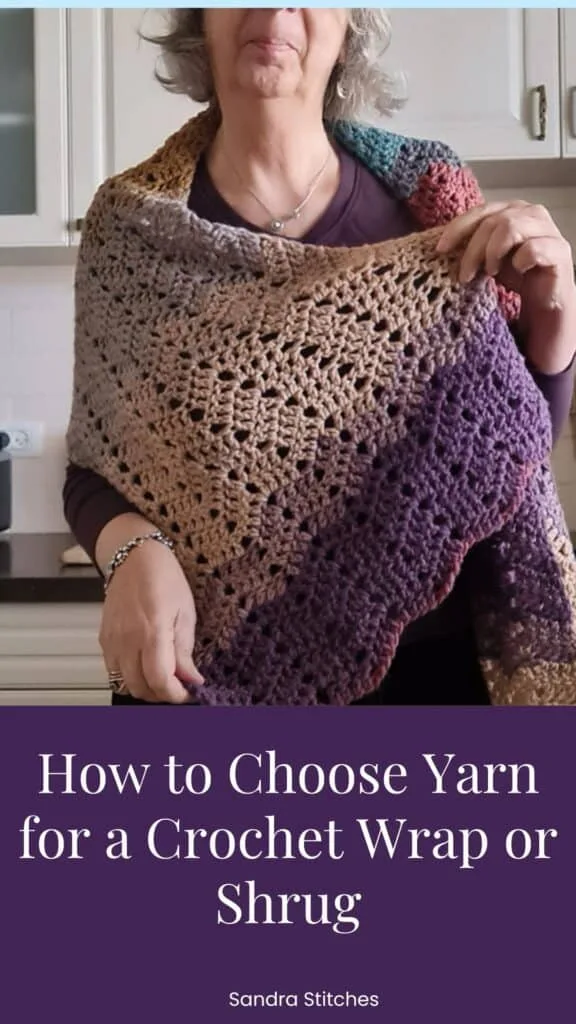
I have a wrap hanging in my wardrobe right now that I am genuinely proud of. The colors are stunning, it is variegated, warm, exactly what I imagined when I ordered the yarn online. I wore it the day I finished it.
But only over a long-sleeved top. Never directly on my skin.
The yarn was too stiff. Too scratchy. Beautiful to look at, uncomfortable to actually wear.
I learned something important from that wrap. And now I want to save you from making the same mistake.
Are you with me?
Want to save this post for later? Go ahead and PIN IT👇
The problem with choosing yarn for wearables
Choosing yarn for a blanket or a bag is simple almost anything works. But a wrap or shrug sits on your body. It touches your skin. It needs to move when you move and feel soft when you put it on.
That changes everything about how you choose yarn.
And when you cannot walk into a shop and feel the skein in your hands, which is the reality for many of us who order online, you need a different way of deciding
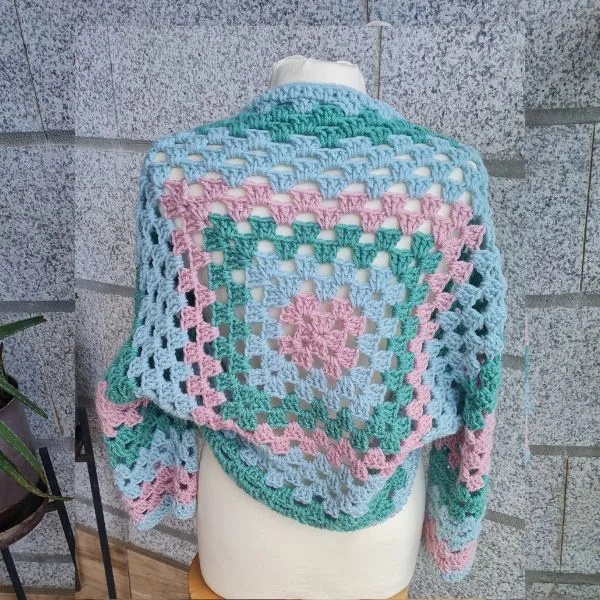
Start with fiber it matters more than you think
Cotton — use with caution for wearables
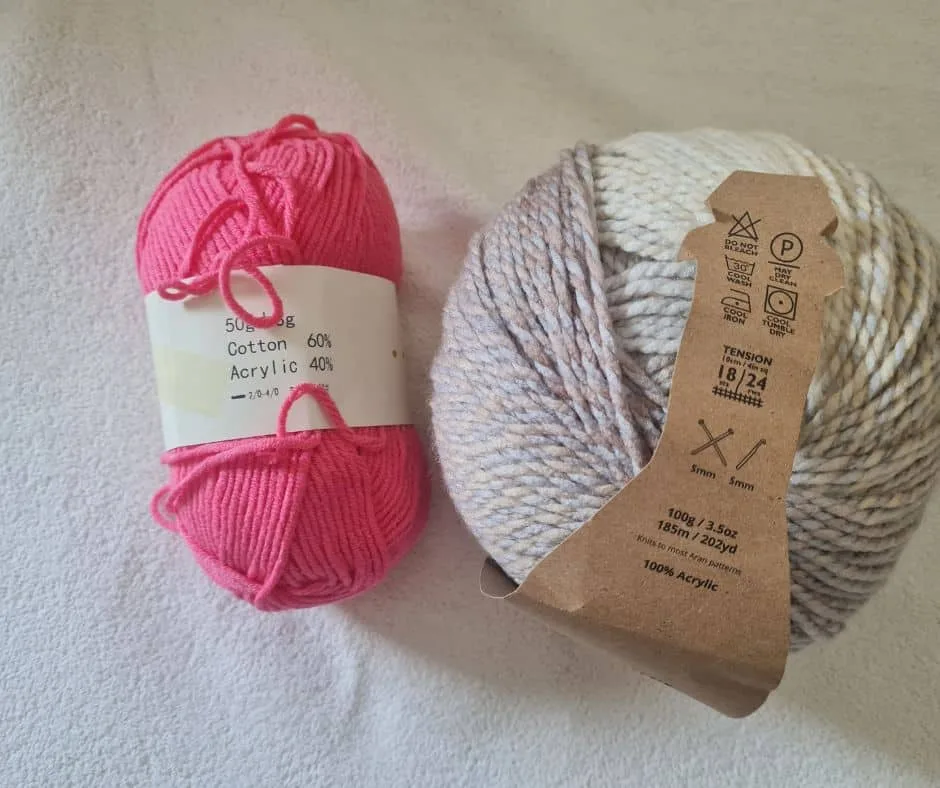
Pure 100% cotton is beautiful but heavy and stiff. It does not drape. For a summer wrap you want something light and flowing, so pure cotton works against you. It gets better after washing, but it never fully relaxes.
What works instead: cotton blends. Cotton mixed with acrylic, nylon, or viscose gives you the breathability of cotton with the softness and movement you need for a wearable.
Acrylics are not all the same
This is the most misunderstood yarn category. People say “acrylic” like it is one thing. It is not. Cheap stiff acrylic and soft drapey acrylic are completely different fabrics. The fiber content label will both say 100% acrylic.
What to look for: acrylic with some nylon or polyamide in the blend. This combination is almost always softer and more flexible. If the label says acrylic only, look at the reviews before ordering.
The blend I actually uses: soft acrylic with a little nylon. Not expensive. Widely available online. Drapes well, washes easily, holds color beautifully. For summer and spring I move to cotton blends in lighter weights.
Weight: lighter than you think for wraps
Most beginners reach for worsted weight because it is easy to work with and works up fast. For a wrap or shrug this is often a mistake. Worsted weight creates a heavier fabric that hangs on the shoulders rather than draping over them.
For spring and summer wraps: DK weight or light worsted. You want the fabric to float, not sit.
For autumn and winter wraps: worsted is fine but choose a soft one. Chunky can work beautifully if the yarn is genuinely soft so it creates a cosy, relaxed drape rather than a stiff one.
The test: imagine the finished wrap draped over your arm.
Does it fall naturally? Or does it hold its shape stiffly? Lighter yarn falls. Heavy yarn holds.
How to choose yarn when you cannot touch it, ordering online
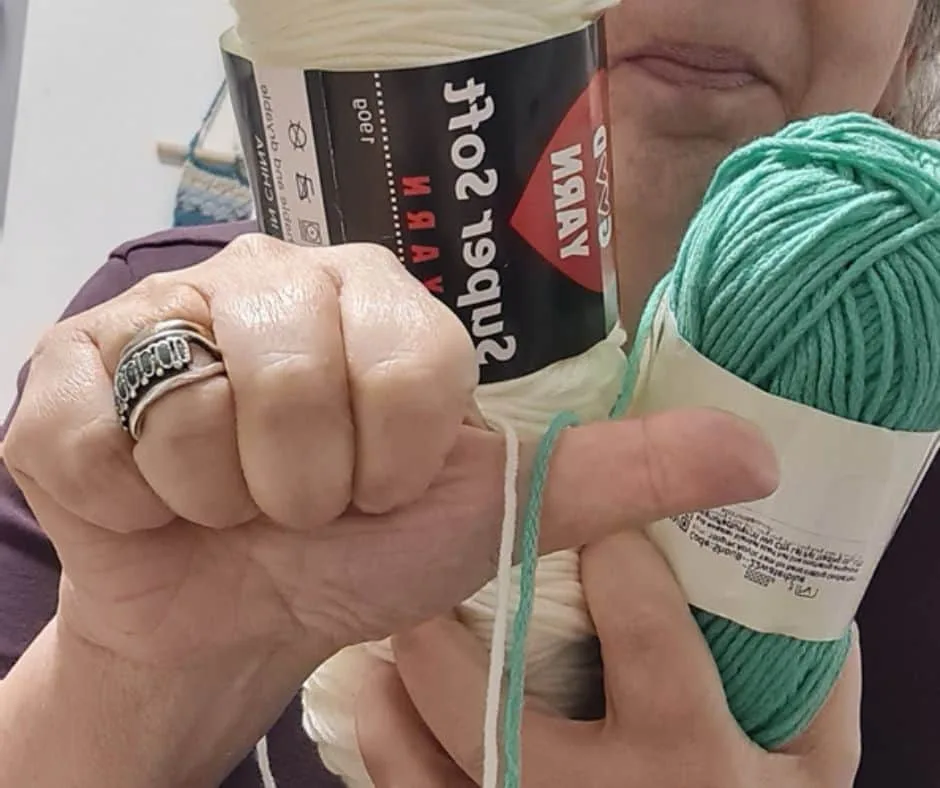
This is the real challenge for many of us. I orders from China and other international suppliers where feeling the yarn before buying is not possible.
Here is what actually helps:
Read the fiber composition carefully. Look for blends with nylon, polyamide, or viscose , these almost always indicate softness and drape. Be cautious with 100% acrylic from unknown brands.
Read reviews specifically for softness and drape. Ignore reviews that only talk about color. Look for reviews that say “soft against skin,” “drapes beautifully,” “washed well and got softer.” Those are the words you want.
Look at photos of finished projects. If someone has made a garment with this yarn and photographed it, look at how the fabric hangs. Does it drape? Or does it look stiff and structured?
Order a small amount first. When trying a new supplier, buy one skein before committing to a full project. Make a small swatch, wash it, feel it. Then order the rest.
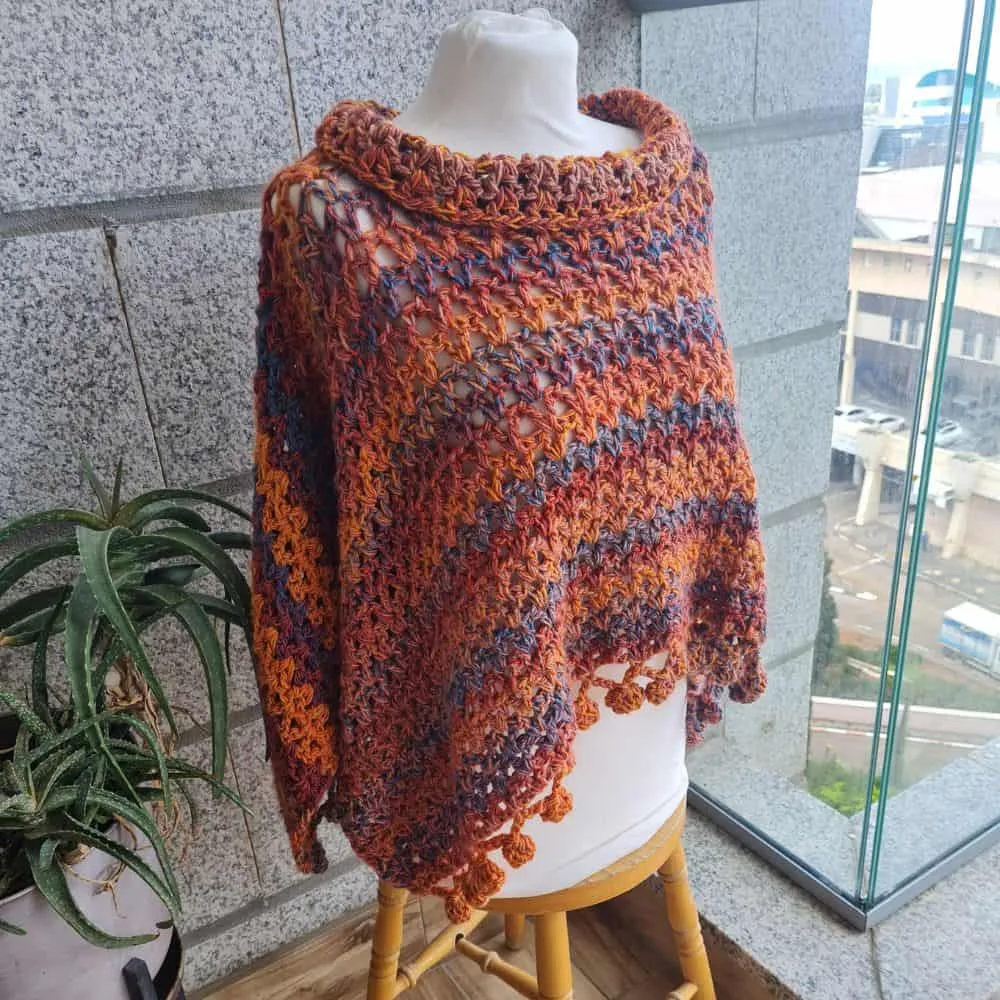
The variegated yarn lesson: beautiful colors can distract you from asking the right questions about fiber and feel. I learned this the hard way with the Shalom Wrap , stunning colors, wears beautifully over clothes, but not comfortable directly on skin. Now I checks softness first, colors second.
A quick checklist before you order
Before clicking buy on any yarn for a wrap or shrug, ask yourself:
Is this a blend, cotton mix, acrylic with nylon, or similar?
Good sign. Is it 100% pure cotton or unknown acrylic with no reviews? Proceed carefully.
What do reviewers say about softness specifically?
Is the weight light enough for what I am making? Can I order just one skein to test first?
What about when yarn disappoints you after it arrives
It happens to everyone. The yarn arrives and it is stiffer than expected.
Before you abandon the project, wash it first. Wash with fabric softener on a gentle machine cycle. Acrylic especially responds well to this. It will not transform a truly stiff yarn but it often makes a borderline yarn genuinely wearable.
Lay flat to dry. Never hang.
If it is still too stiff for skin contact, make the wrap anyway. Wear it over clothes. A beautiful wrap worn over a blouse is still a beautiful wrap.
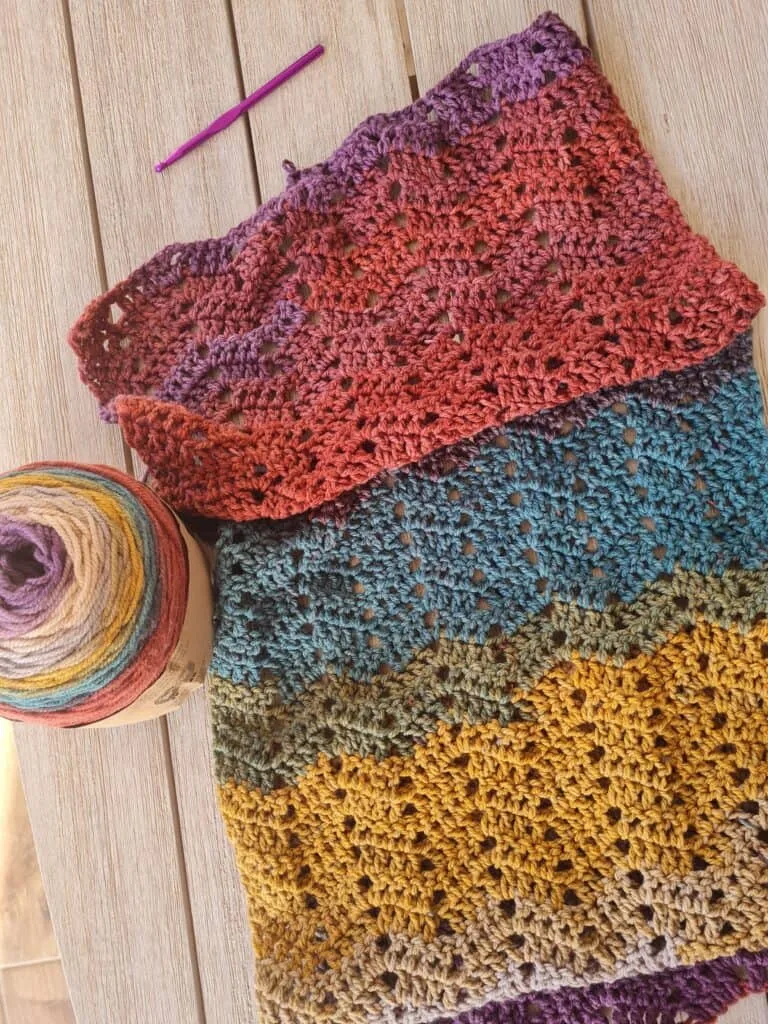
Choosing yarn online without being able to touch it first is genuinely hard. I still get it wrong sometimes. The Shalom Wrap is proof of that and I still love it.
But the more you know about what to look for in the fiber content and what other makers say about a yarn, the fewer disappointments you will have.
If you want to make something that feels as good as it looks start with the right yarn. Everything else follows from there.
Here is a wrap pattern that works beautifully with soft acrylic blends if you want somewhere to start.
And if you want patterns and tips like this every week in your inbox for free, always honest, never rushed come and join me.
💬 Leave a comment below and share your hacks!
And if you found this helpful, don’t forget to subscribe to my YouTube channel for more tutorials, tools, and creative crochet inspiration.
Love This Resource? There’s More Where That Came From!
You will discover my complete collection of crochet patterns, tutorials, and resources, both free and premium all in one convenient place.
I know you’ll find something to inspire your next project🙃
All Things Crochet Start Here →
Want some more crochet tips & wellness resources?

Hi my crochet friend!
Crochet has followed me from Argentina to Israel and through every crossroads since. Now I design calm, achievable crochet, made to feel possible.
Come find free patterns, tutorials, and the V-Stitch Club right here on the blog.